

by André Paul Pinces
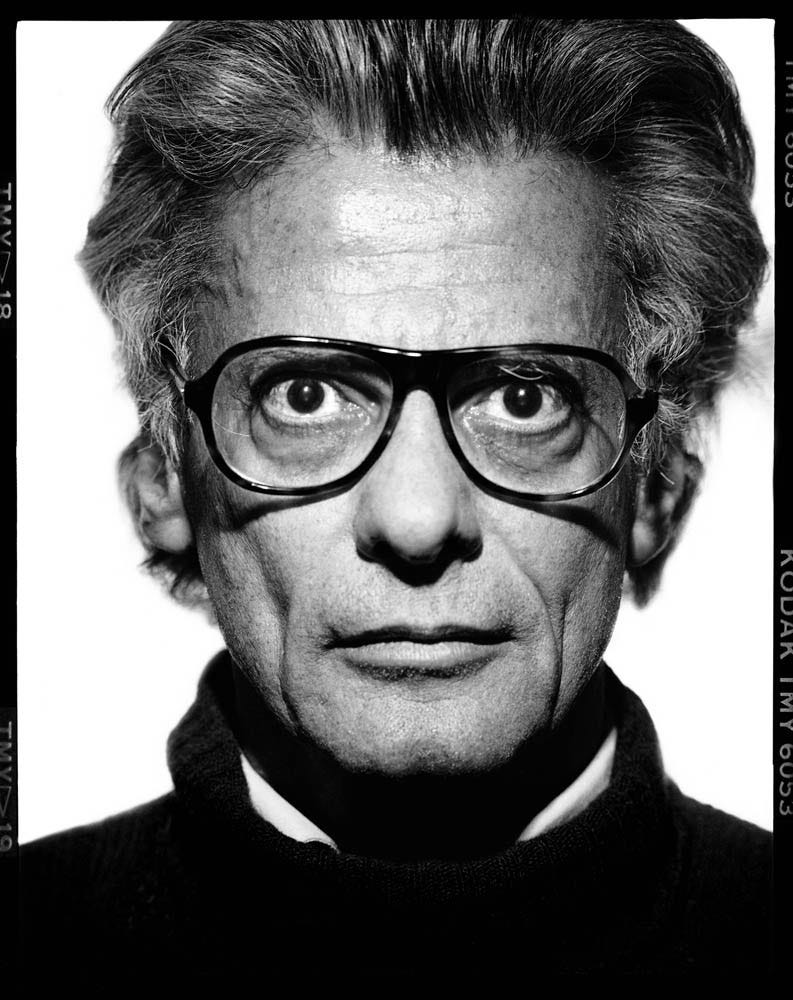
Photography, at its best, is not a reflection of reality—it is a construction of it. The great photographers do not merely capture moments; they shape them, define them, and in some cases, invent them. In a world where images are now consumed and discarded at an unprecedented rate, the work of Philip-Lorca diCorcia, Irving Penn, Richard Avedon, Annie Leibovitz, Daido Moriyama, and Helmut Newton stands as a testament to the power of the singular image—one that demands attention, forces engagement, and lingers in the mind long after it has been seen.
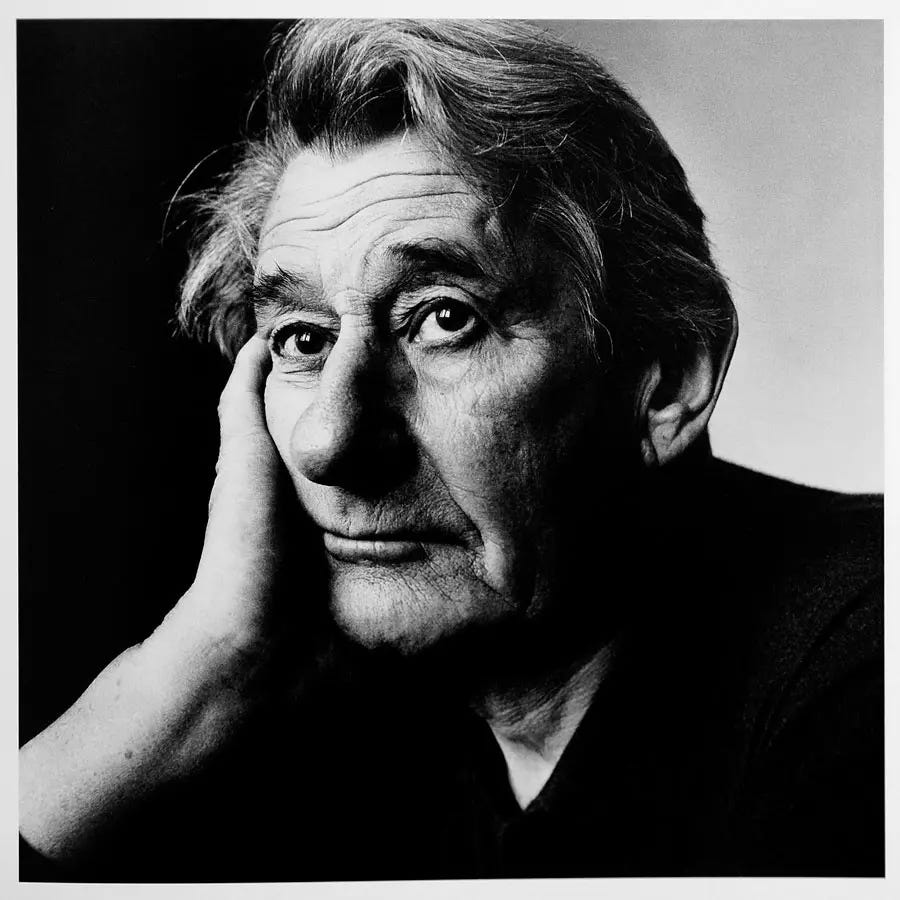
Each of these photographers has shaped the way we understand presence, persona, and power in imagery. Whether it’s Avedon’s psychological portraits, Newton’s subversive iconography, Moriyama’s fragmented urban grit, or Leibovitz’s theatrical myth-making, their work has built the visual language that today’s photography is still borrowing from, whether knowingly or not. This essay examines how their different approaches to photography—whether stark and minimalist or dramatic and cinematic—have fundamentally shaped our collective perception of identity, fashion, and storytelling in images.
The Staged vs. the Unscripted: What Makes an Image Feel “Real”?
All six of these photographers deal, in different ways, with the tension between performance and authenticity. Some construct elaborate, theatrical compositions; others strip everything away until all that remains is the raw psychological essence of their subject. The question isn’t whether their images reflect reality—it’s how much of that reality has been manipulated.
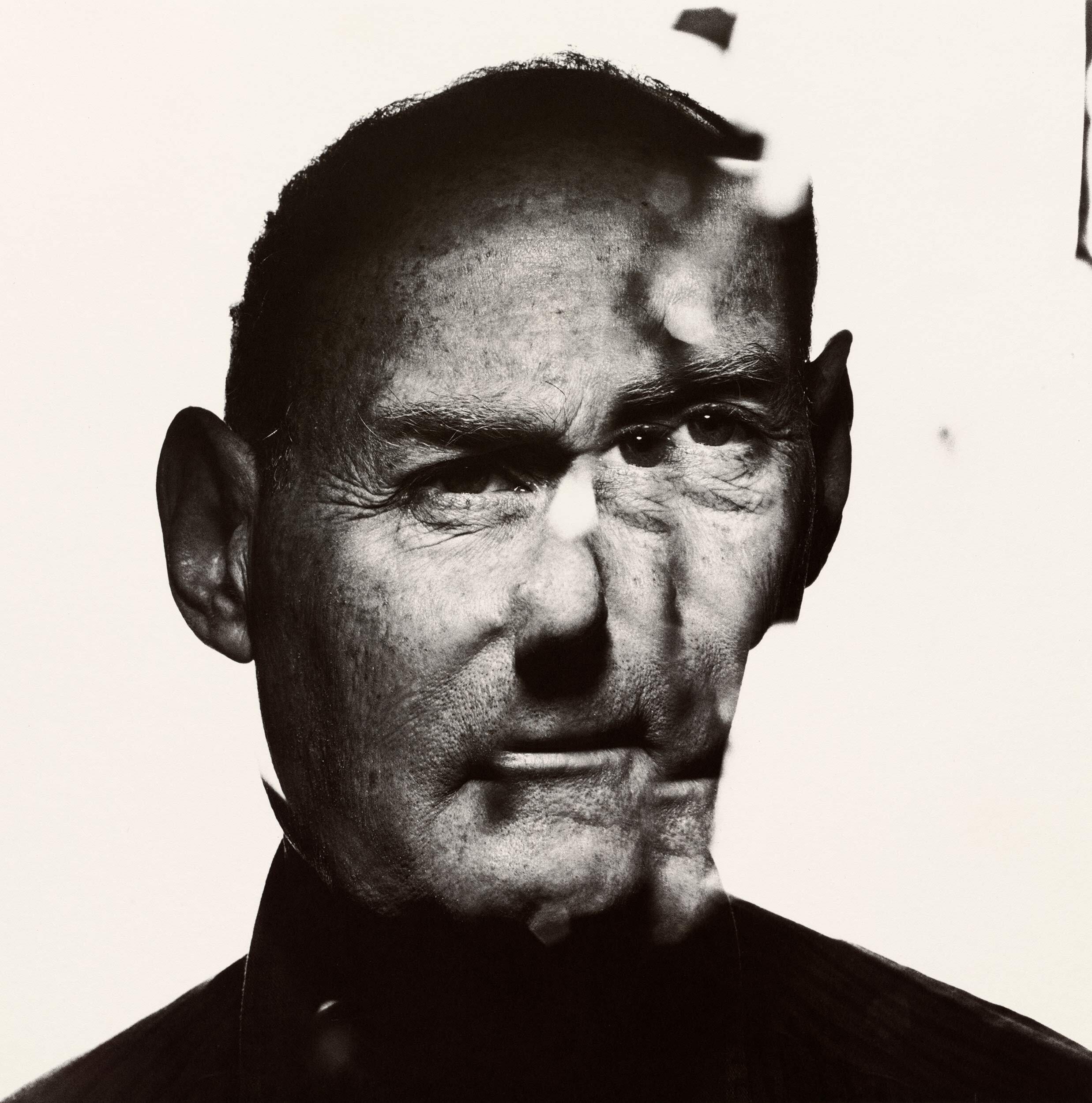
• Richard Avedon believed that no photograph is ever truly candid. His stark, high-contrast portraits expose his subjects in ways that often feel brutally confrontational. In In the American West, he photographed drifters, oil workers, and ranchers with the same clinical intensity he once applied to celebrities. The result: an unsettling realization that, whether rich or poor, famous or anonymous, everyone is playing a role when faced with the camera.
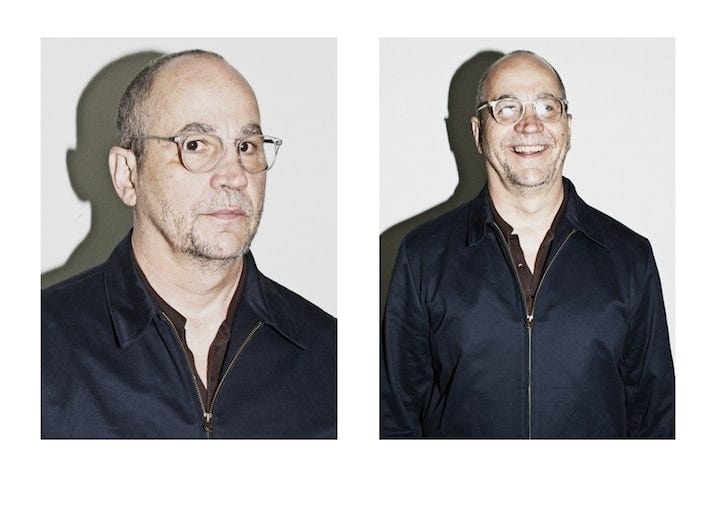
• Philip-Lorca diCorcia takes the opposite approach: he constructs images that look real but are actually carefully staged. His Hustlers series, in which male sex workers pose in highly stylized, cinematic lighting, forces the viewer to confront the blurred line between truth and artifice. The subjects exist in a space between documentary realism and fictionalized dreamscape, making us question not just the authenticity of the images, but of the subjects themselves.
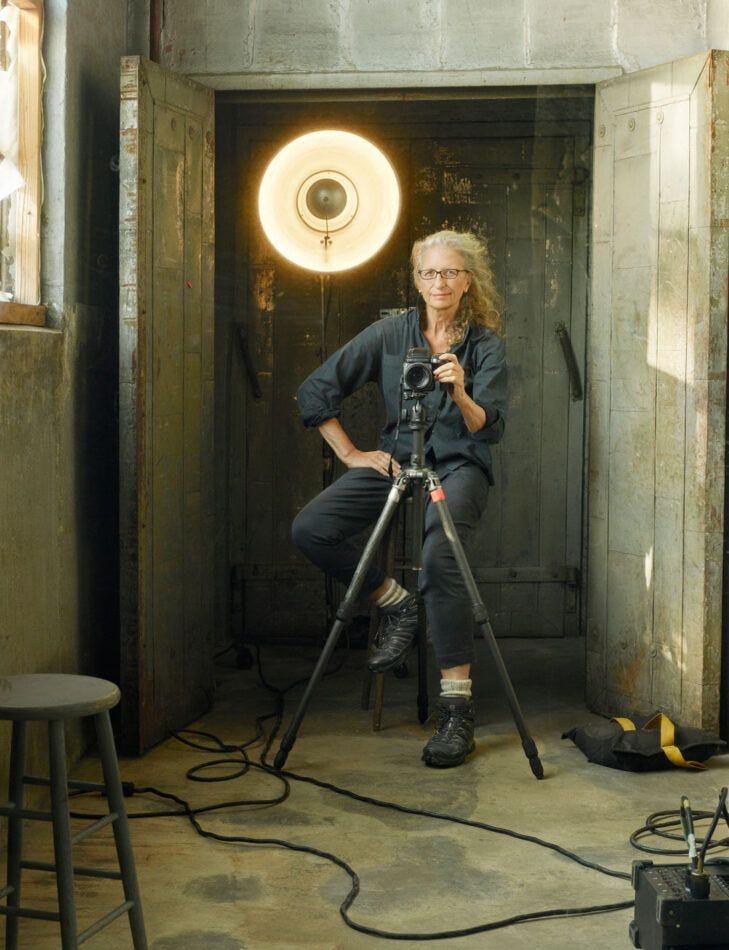
• Annie Leibovitz, by contrast, does not search for reality at all. Her photographs lean fully into performance, constructing elaborate narratives that mythologize her subjects rather than revealing them. Whether photographing Whoopi Goldberg submerged in a tub of milk or Keith Haring painting his naked body, she understands that persona is itself a kind of truth—one just as valid as the so-called “authentic” self.
Together, these photographers redefine the idea of realism—not as an absolute, but as something that is always being shaped, influenced, and performed.
Fashion as Power: Clothing as a Tool of Identity
Although not all of these photographers are traditionally considered fashion photographers, they have each, in different ways, used clothing as a storytelling device.
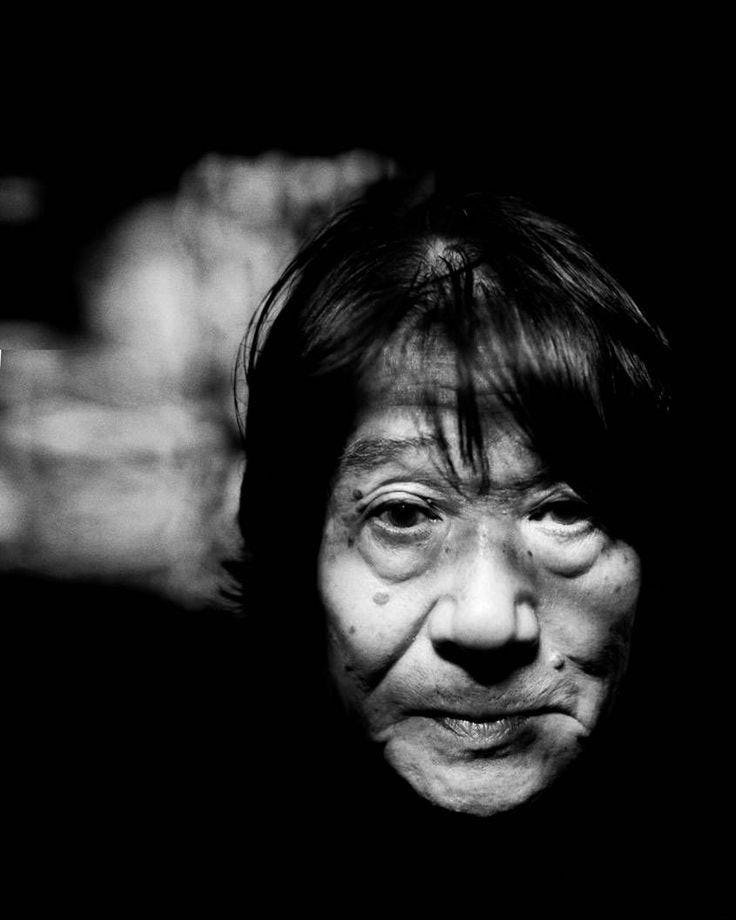
• Irving Penn reduced fashion photography to its bare essentials. He placed models in sparse, controlled settings, eliminating all distractions so that the structure, texture, and sculptural quality of the clothing became the focal point. His portraits of Yves Saint Laurent and Issey Miyake are not about the people—they are about the art of construction, the interplay of form and fabric.
• Helmut Newton, on the other hand, transformed fashion into something aggressive, seductive, and cinematic. His women—whether in sharply tailored suits or high heels and garters—dominate the frame, exuding confidence and danger. He understood that fashion, beyond mere aesthetics, is about authority and control—who is looking, and who holds the power in that exchange.
Even Moriyama, known primarily as a street photographer, engages with fashion in an indirect way. His raw, high-contrast black-and-white images of Japan’s neon-lit streets capture style in its purest form—fashion as self-expression in the wild. His photographs of anonymous figures in leather jackets, fur coats, and sunglasses feel as curated as any editorial spread, despite their chaotic, unplanned energy.
Each of these photographers has, in their own way, shaped the way fashion is perceived—not just as clothing, but as a statement, a barrier, a weapon.
Street, Atmosphere, and Alienation: The Isolation of the Modern Image
The presence of Daido Moriyama and Philip-Lorca diCorcia on this list adds another crucial layer: the idea of the subject as isolated, disconnected from their surroundings, existing in a cinematic or dreamlike haze.
• Moriyama captures the loneliness of urban life with raw, high-contrast graininess. His images feel stolen, fleeting—the equivalent of a half-remembered dream, where faces blur and moments vanish before they can be understood.
• DiCorcia, in contrast, constructs that same sense of alienation in an almost clinical way. His use of lighting and framing isolates his subjects from their environment, creating the feeling of surveillance, of being watched but not truly seen.
Together, their work speaks to a modern anxiety—one that is still very much present in today’s visual culture. Their influence can be seen in everything from fashion campaigns to music videos to Instagram aesthetics, where subjects are often deliberately detached, lost in a world that feels both hyper-real and artificial.
Light and Control: The Gaze as a Weapon
Perhaps the greatest unifying theme across these photographers is their deliberate manipulation of light to exert control over their images. Light is not just illumination—it is a storytelling tool, a way to dictate how a subject is seen and understood.
• Helmut Newton and Philip-Lorca diCorcia use dramatic, cinematic lighting to create a sense of performance, seduction, or menace.
• Avedon and Penn strip lighting down to its most essential form, using harsh illumination to expose flaws, features, and emotions in a way that feels almost forensic.
• Moriyama embraces darkness and contrast, pushing his images toward abstraction.
Each of these photographers understands that the way a subject is lit determines the way they are perceived—powerful or powerless, soft or commanding, exposed or untouchable.
Conclusion: The Modern Image Wouldn’t Exist Without Them
If today’s photographers, brands, and influencers think they are creating something new, they are wrong. Everything they are doing now has already been done, decades ago, by these photographers—only with greater intention, greater control, and greater artistry.
Every hyper-posed editorial spread, every moody, detached Instagram portrait, every high-contrast black-and-white cityscape—it all traces back to these pioneers.
The difference? These photographers understood the weight of a single image. They weren’t creating disposable content to be swiped past in an instant. They were creating something meant to last.
If we are to reclaim photography as something more than a fleeting distraction, we must start by looking back. Not just at the images, but at the intent behind them. Because in a world where images have become too fast, too easy, too meaningless, the lessons of these photographers have never been more important.
André Pinces is a commercial photographer and director based in Vancouver, specializing in bold, cinematic portraiture and editorial storytelling. His work spans fashion, lifestyle, and brand-driven campaigns, collaborating with agencies and creative teams to craft striking visual narratives.
Website: pincesphoto.com
Instagram: @pincesphoto
Substack: pincesphoto.substack.com
Inquiries: DM for collaborations
Keywords: commercial photography, editorial, portraiture, visual storytelling, filmmaking, Vancouver, fashion, lifestyle, brand campaigns